
A frame does two things
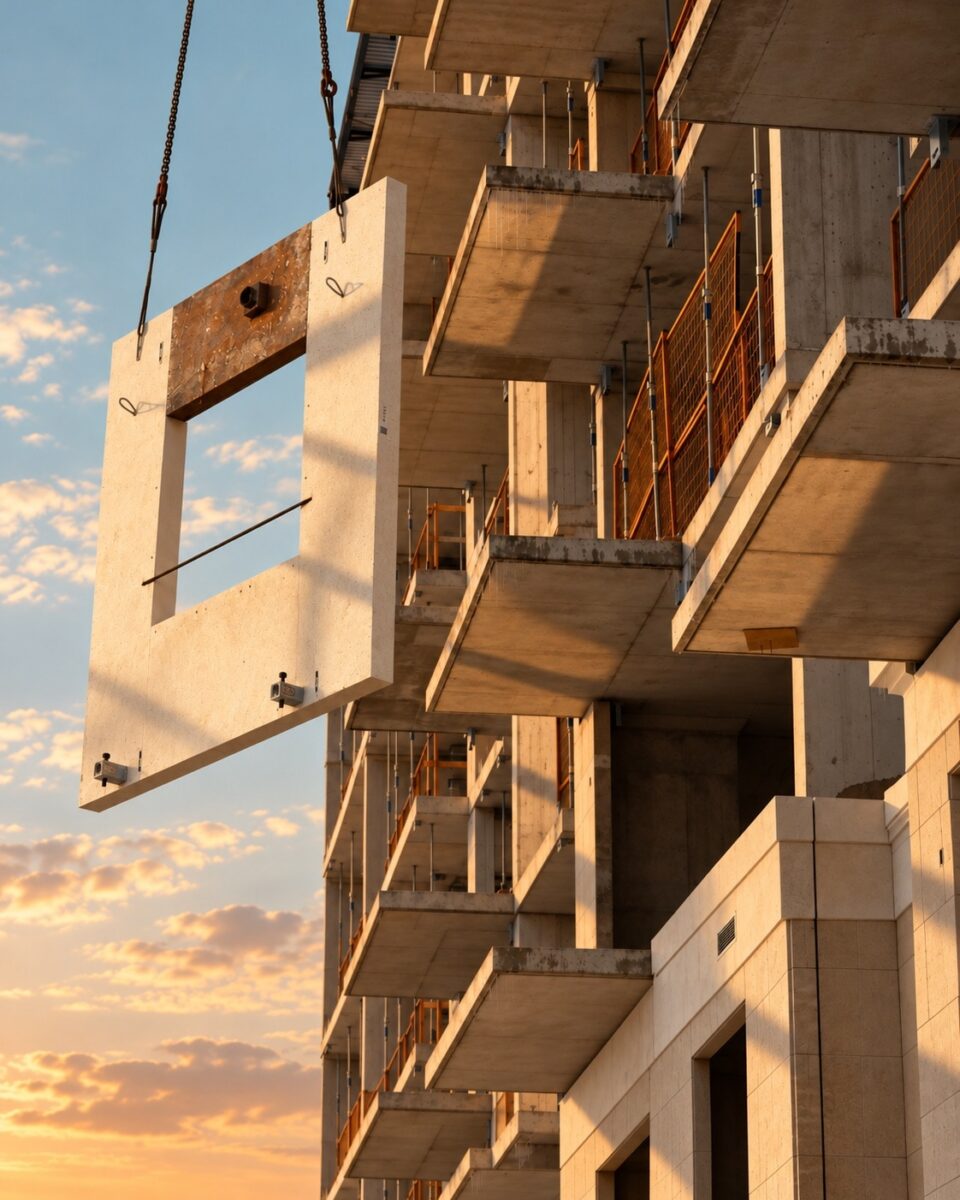
The structure behind the wall, and the skill of framing what’s in front of it.
The structure behind the wall, and the skill of framing what’s in front of it. A frame does two things. It holds everything up, and it shapes how something is seen. That double meaning is the reason for the name, FRAME.
The structure behind the wall
In a building, the frame is the structure behind the wall. It goes up early, disappears behind everything that follows, and still carries the weight of all of it. The word works the other way too: to frame a situation is to decide how it gets looked at, and that decides what happens next.
FRAME does both.
In development, the structural frame is the sequence of decisions, the approvals path, the financial logic, who has authority to say yes, and a delivery plan that survives the first surprise. When a project stalls, this is usually where the problem is. It’s rarely the design or the site, and it often isn’t even the market. Somethings not right with the frame, or it was built for conditions that no longer exist.
When the structure is right, a project moves without drama. Decisions get made when they need to be, approvals keep moving, and nobody is scrambling to work out who decides. Like the frame of a building, most of it goes unseen. What you see is the project standing.
The skill of framing
The second meaning is a skill I bring. Every project arrives with a situation: an approval that won’t move, a market that shifted, a team that can’t agree, a site nobody has worked out how to read. How that situation gets framed decides which options are even on the table.
The same site can be a rental, a condo, or a mixed-use anchor. The same approvals delay can be a design issue, an infrastructure issue, or a sequencing issue. Whatever the situation is, my job is to read it quickly, find the frame that fits, and change how the team looks at the project so it can start moving again.
Why a project needs both
Most projects I get called about have one of the two. A constructable design with no market positioning gets built and forgotten, or ends up competing with every other project in the market that looks just like it. Or a great idea with no structure gets presented, applauded, and stalled.
A project with the right framing stands out against its competition. It’s positioned for the buyer, renter, or commercial tenant who actually wants it, or for the investor who will back it, instead of for everyone at once.
Sometimes the project doesn’t need to be pushed harder. It needs to be reframed. The design is good but the market logic is off. The approval issue is really an infrastructure issue. The team is capable, and nobody has defined how decisions get made.
Where FRAME comes in
FRAME is senior development leadership for owners and project teams, covering both halves: the structure that lets a project move, and the perspective that makes it worth moving. Project-based, fractional, advisory, or embedded.
If a project of yours needs one or the other, start a conversation.